September 30, 2025
Thoughts on teaching
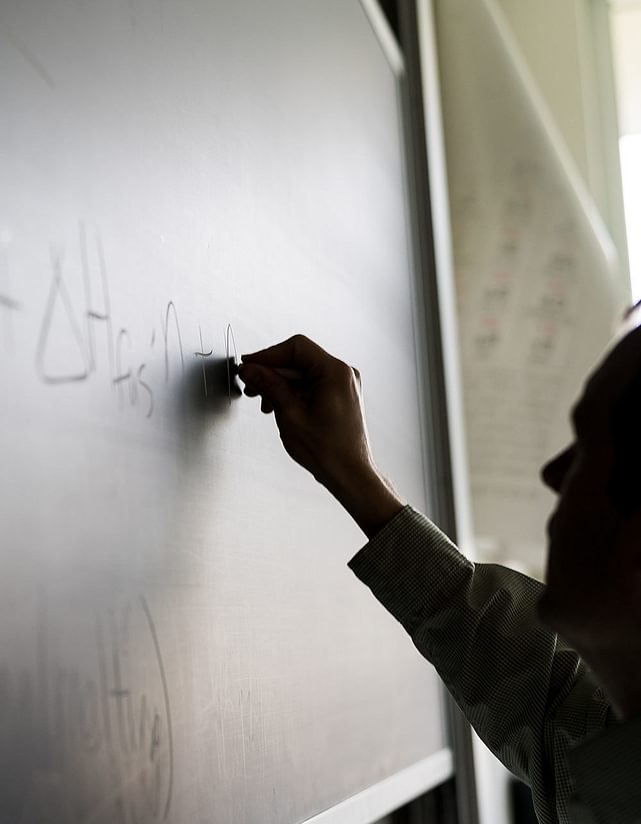
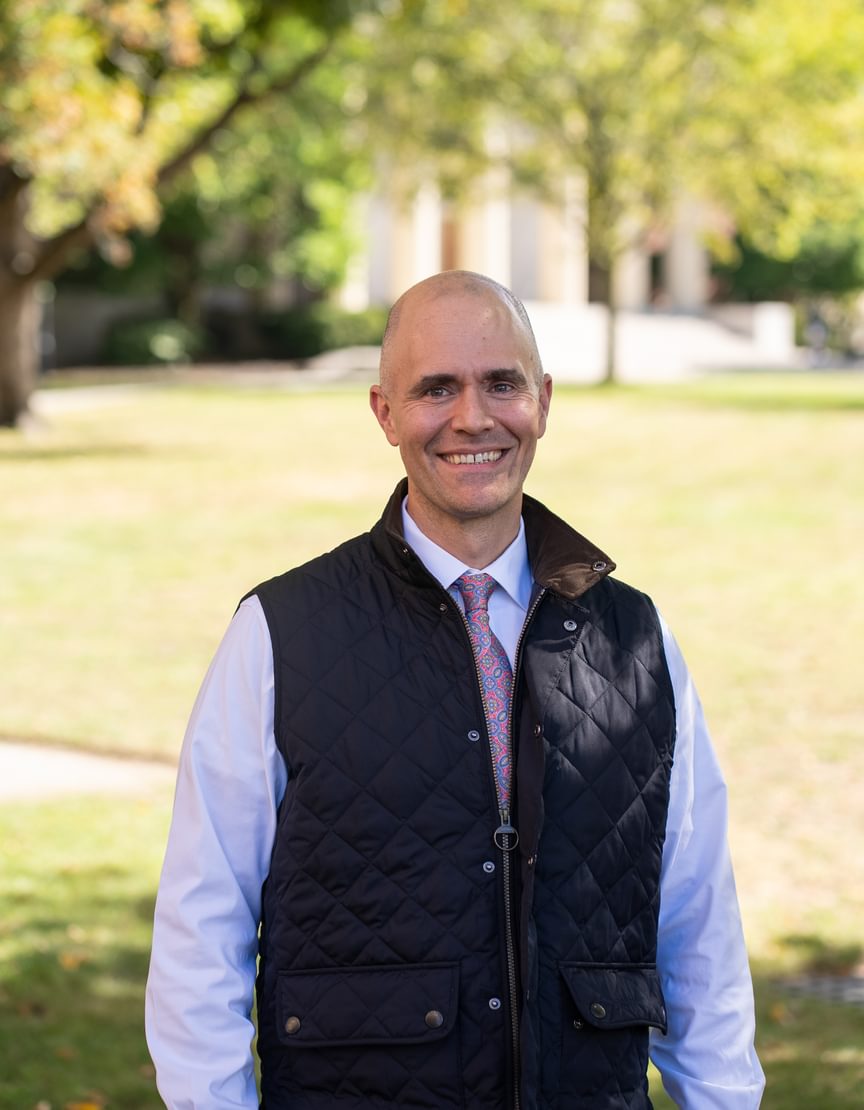
Curiosity and meaning top the list for Dean of Faculty Ben TempleOur last faculty meeting gave us the opportunity to talk with each other about teaching. To me, teaching on a residential campus includes our work in classrooms, dormitories, teams, studios, and ensembles—pretty much anywhere that students and faculty interact. Our discussion was an inspiring example of this faculty’s commitment to students and eagerness to learn from one another.
This is a difficult time to be a teacher. We have busy lives, full schedules, and the complexity of work seems to grow by the day. And, as we think about Raynard’s call for a sharper focus on student wellness, we take on what a former colleague of mine calls “forever work,” helping students develop the personal values and skills that will guide them through life.
All of this is true, and we know that events outside our campus—ideological divisions, politically motivated violence, global unrest—also find their way into our campus community. This is appropriate, of course. We want students to engage with us as they make sense of the world. We are teaching and living through times that present new challenges for all who work with young people.
The pursuit of scholarship requires us to simultaneously prompt students to probe and understand more deeply.
”Given this reality, it is natural to experience some unease. To wonder what our role as educators has become. The question is: How can we best support students in this moment? I offer two ideas:
First, help students practice the discipline of scholarship. Ask questions to demonstrate what it means to learn more, what it means to be discerning. I hope that students will develop cognitive structures—the actual brain architecture—that allows them to engage, to seek, to discern in all manners of life. I hope we will model this for them.
We also must understand that scholarship is built on knowledge, and we operate in a time when an inaccurate perception of knowledge is presented through Instagram reels, TikTok, YouTube shorts, all of which are presented with a clear financial goal for these companies—driving engagement, and not always in positive or productive ways. While these channels might be appealing, even addictive, they simply cannot form the basis of deep knowledge or discernment on any topic.
In short, I’d like us to model for students the habits of mind that we hope they learn at Andover and apply in life: to be discerning, to be curious, to seek meaning through an array of sources and perspectives. I believe this is a critically important job for all educators. I suggest that, ultimately, this is the goal of a liberal arts education.
The second idea explores the power dynamic of teacher and student. We must remember that our perspectives and opinions carry different weight and, if shared, can narrow the aperture of a conversation. In my experience, a good way to think about this is by building the practice of scholarship into habits that will become second nature, a reflex for our students. Help them identify nuance, ask better questions, interrogate their own assumptions.
Instilling the discipline of scholarship does not mean students can say whatever they want. Our role in this power dynamic also means that we must intervene if we encounter speech or other communication that is threatening or violates our policies. Our job is to ensure that students can learn from their mistakes.
The pursuit of scholarship requires us to simultaneously prompt students to probe and understand more deeply. Through that deeper knowledge, students can go beyond relying on an idea that lacks nuance or must be corrected because it denies the humanity of others.
By practicing disciplined inquiry and responding to speech and actions that are antithetical to our school values, we teach students the value of broadening their perspective. Perhaps even changing their mind as they learn more. Just as importantly, I hope we engage with one another in this same way—modeling essential skills for learning and for community.
Categories: Academics, Leadership
Other Stories

Instructor Hector Membreño-Canales on preserving cultural heritage in conflict zones
