
October 22, 2026
Peabody Institute reopens
Revitalized classroom spaces highlight building renovation
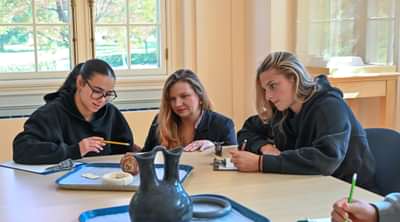
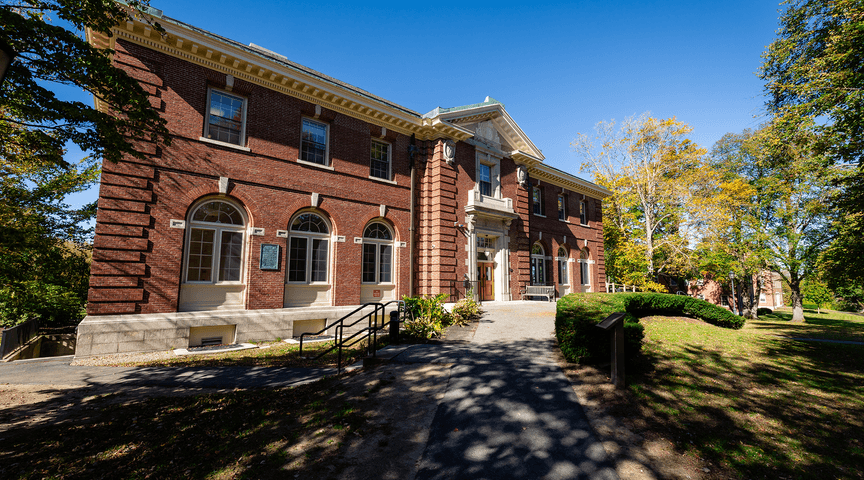
The Robert S. Peabody Institute of Archaeology has reopened after a lengthy renovation. Tradition and innovation meet in the revitalized space as the institute celebrates 125 years of history, research, and connectivity. Students and faculty are excited to be back in the building—history, art, English, and philosophy and religious studies classes have already visited.
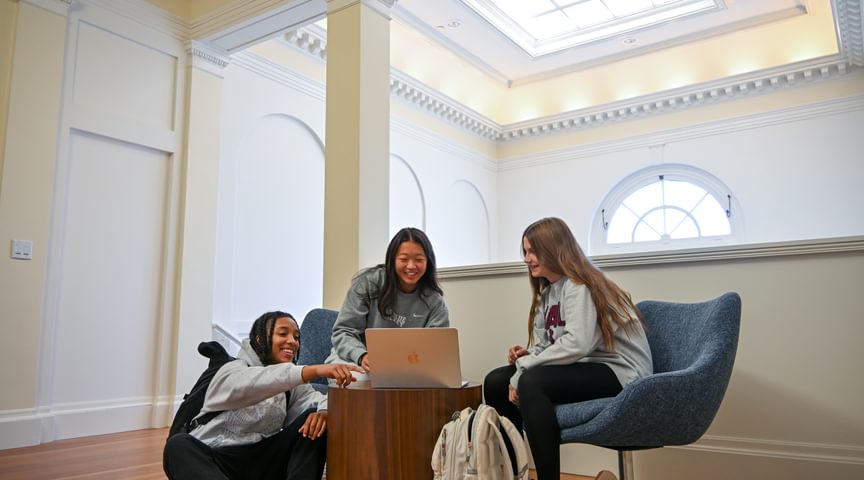
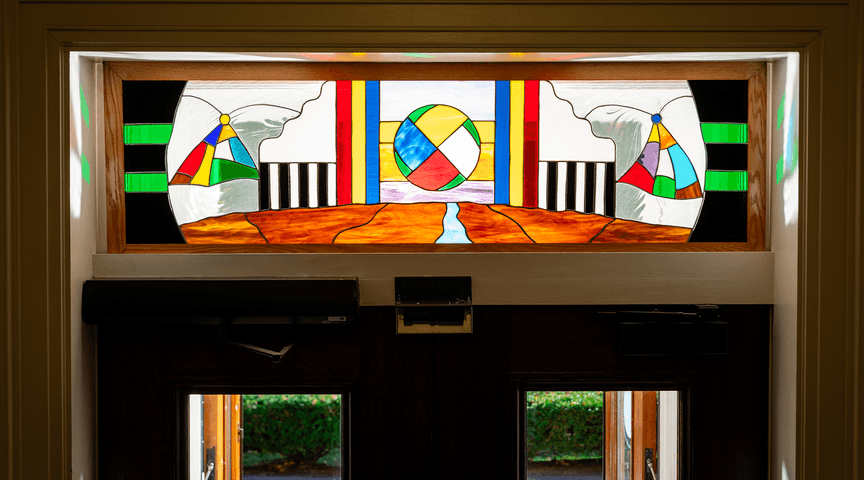
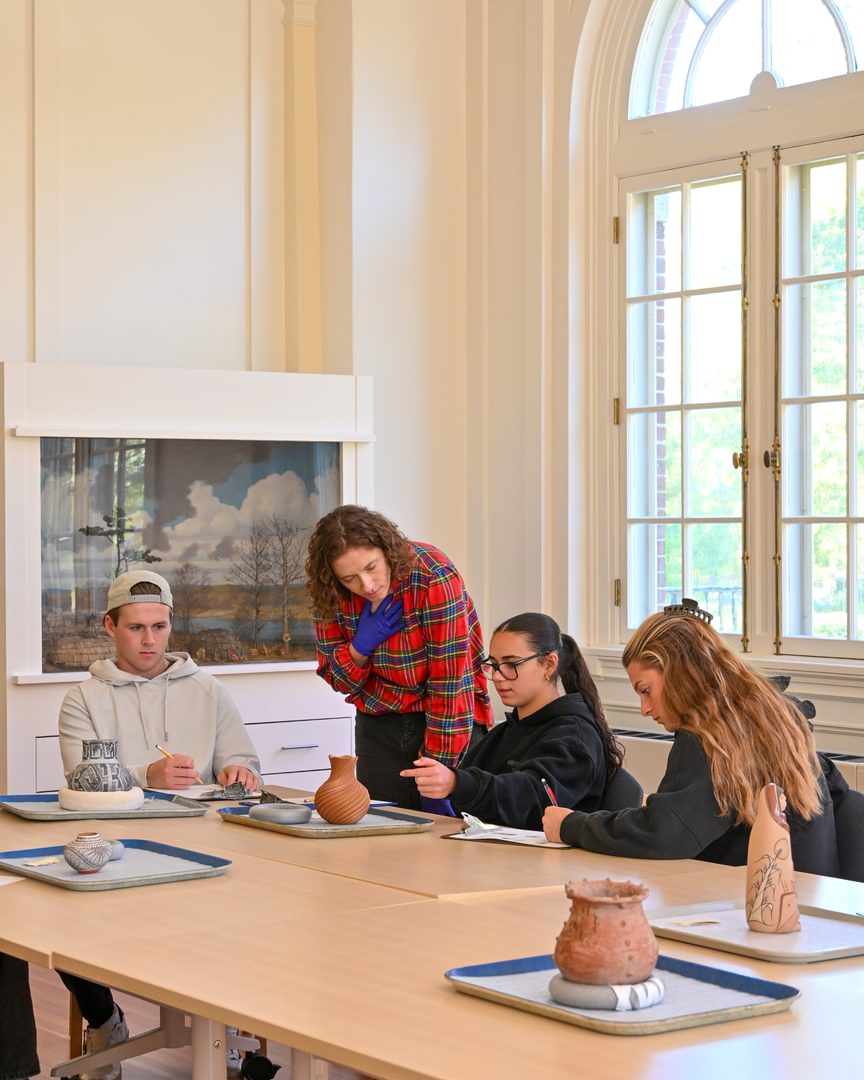
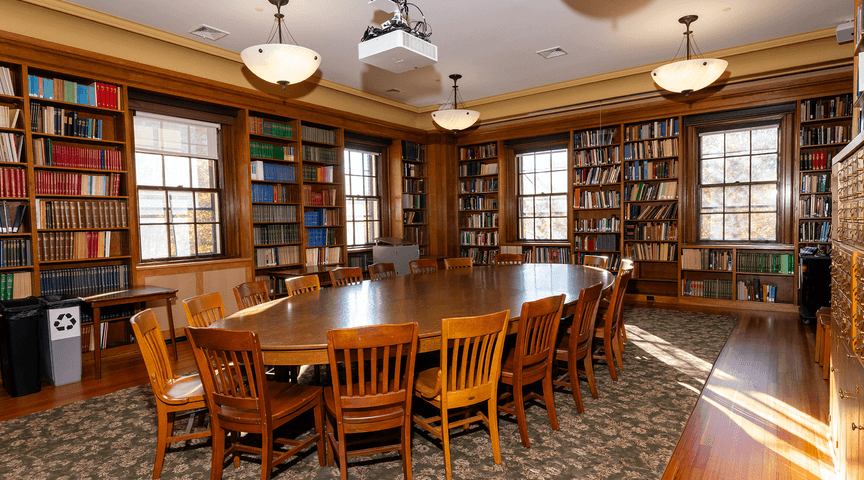
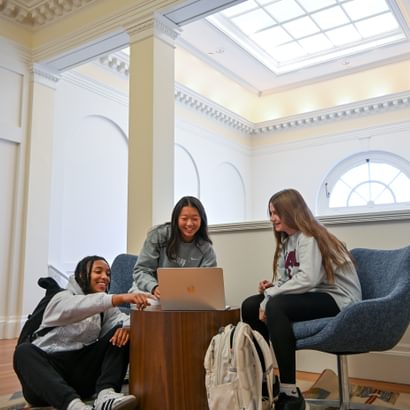
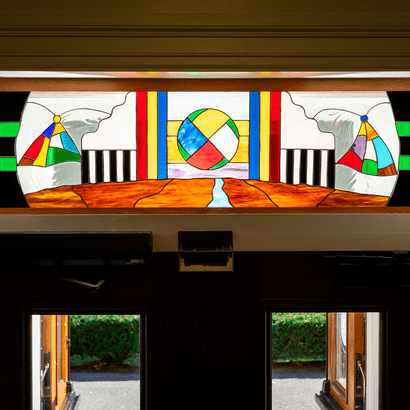
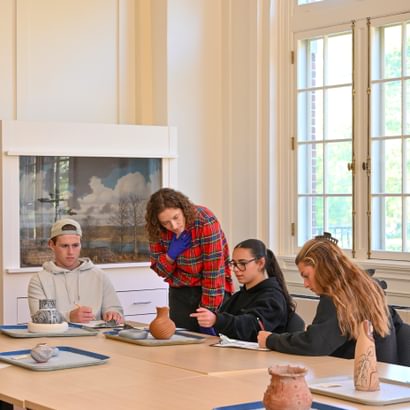
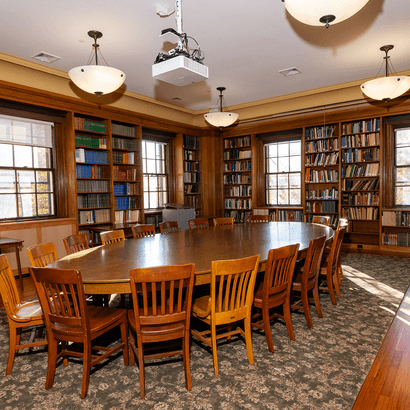
The Schmertzler Family Galleries, Sumner Roy Kates Library, and new tribal consultation room, among other spaces, enhance the Peabody’s mission of collaboration and experiential learning. Additionally, the custom stained glass piece adorning the entryway and created by Hopi artist Ramson Lomatewama serves as a reminder of the institute's lasting commitment to Indigenous cultures.
5 Things About the Peabody
- Robert Singleton Peabody, Class of 1857, is the institute’s namesake. Born in Ohio, Peabody cultivated a talent for classical languages at PA and eventually became a lawyer, practicing in Vermont and Pennsylvania. He also developed an interest in archaeology and amassed nearly 40,000 items—most of them Native American in origin. The museum was founded in 1901 to house his collection and help foster an interest in archaeology among students.
- More than 600,000 items, photographs, and documents make up the Peabody’s collection.
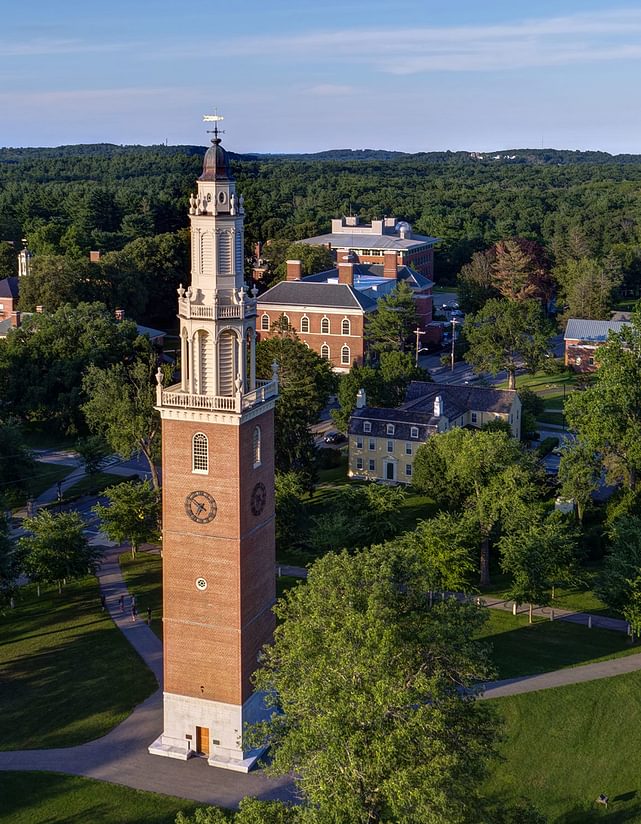
- The Peabody was designed in the Beaux-Arts style by renowned Boston architect Guy Lowell, who also designed several other campus buildings, including the former Isham Infirmary, the Memorial Bell Tower, and Samuel Phillips Hall.
- The Peabody hosts a number of community events and workshops each year. One that has become very popular is a fused glass workshop with Ramson Lomatewama, an award-winning Hopi glass artist, who contributed a new piece to the building entryway.
- In recent years, the Peabody has been recognized for its leading role in returning cultural materials as required under the federal Native American Graves Protection and Repatriation Act (NAGPRA). Peabody staff members have worked closely with tribes to identify collections and facilitate repatriation, particularly involving materials recovered from New Mexico, Georgia, and Maine.
Other Stories
Addison Gallery offers rare opportunity to explore its permanent collection