
May 15, 2026
Art on the front lines
Instructor Hector Membreño-Canales on preserving cultural heritage in conflict zonesby Rita Savard
AFTER WORLD WAR II, THE U.S. ARMY’S ART EXPERTS SET OUT to find and return millions of works stolen by the Nazis. Known as the Monuments Men, they included approximately 350 men and women—museum curators, conservators, historians, and archaeologists—who tracked looted artifacts and helped preserve cultural history.
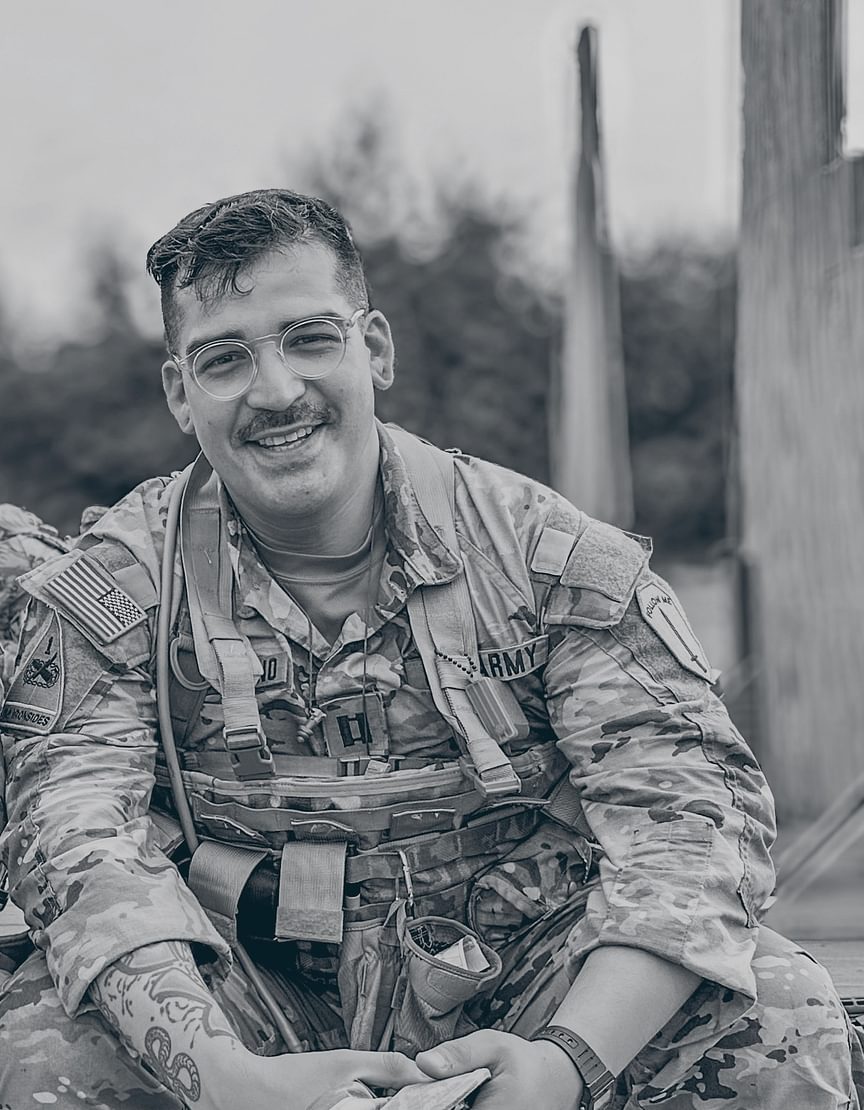
The program disappeared after 1947 but was recently revived. Among the first class of heritage and preservation officers graduating in 2022: Phillips Academy art instructor Hector Membreño-Canales, who has served in the Army since 2007 and holds degrees in photography and art history.
Q. You were already serving in the Army Reserve when the heritage and preservation program was revived. Did you immediately think, “This was made for me?”
I grew up idolizing Indiana Jones, but, to me, believing the Army considered cultural property protection a real job was like believing Jurassic Park dinosaurs were real. Then one day, a friend shared The New York Times article about the Army reviving the “monuments men” program. I was excited to read the program existed at all. I was concerned, however, that I wouldn’t be accepted because it’s competitive and niche. Speaking “Army” and speaking “art” were languages I’ve spent the past 20 years doing. The application process took almost 18 months. Eventually, I received training at the Smithsonian through a partnership they have with the U.S. Army.
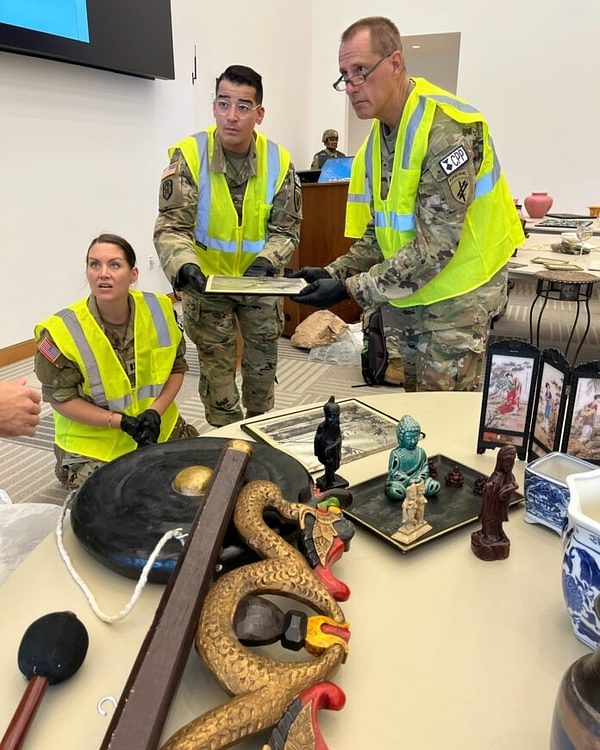 U.S. Army Civil Affairs Heritage and Preservation Officers with Hector Membreño-Canales (center) | Photo courtesy of the Smithsonian Institution
Q. The original Monuments Men protected cultural treasures during wartime. What does protecting cultural heritage look like in today’s Army?
In today’s Army, protecting cultural heritage isn’t only about safeguarding paintings or monuments in a museum. It’s really about abiding by the Law of Armed Conflict and observing the Hague Convention and Geneva Convention protocols that outline how cultural property is protected during armed conflict. It’s also about advising senior leaders operating near cultural sites and preserving archives and artifacts that are the living memory of a society. We work to prevent looting, destruction, and the misuse of cultural property in conflict zones. We’re trained to coordinate with local communities, historians, and international NGOs. The tools have changed through satellite mapping and digital documenta-tion, but the mission remains the same: protect the people, places, and things that tell society who they are and where they come from.
Q. What would people be surprised to learn about the connection between art, history, and national security?
Art and cultural heritage are strategic assets. They’re not just symbols, they’re leverage, cohesion, and morale. Destroying or stealing cultural property can destabilize communities, erase identity, and even affect geopolitical dynamics. Art and artifacts tell the story of a nation or community, and in protecting them, the Army is helping maintain societal continuity, prevent radicalization, and safeguard the cultural foundations that underlie national security. I also want to point out that this work is not limited to armed conflict but important work to consider during a natural disaster.
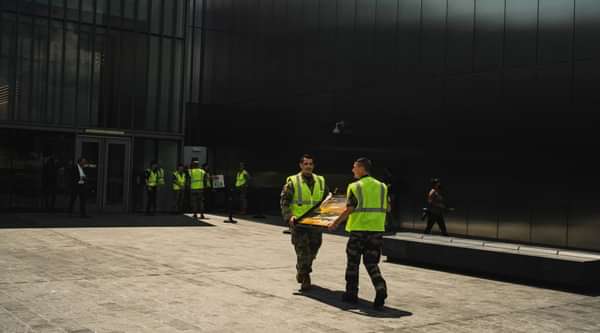 Hector Membreño-Canales (left) is the Francis C. Robertson Chair of the Art Department on the Independence Teaching Foundation and a Civil Affairs officer in the U.S. Army Reserve | Photo courtesy of the Smithsonian
Q. What does losing cultural heritage mean for a community or a nation?
When cultural heritage and sites are lost, communities lose the anchors that connect generations and the stories that define them. It’s like losing a piece of yourself. It’s far more than the physical destruction of a building, manuscript, or painting, but the loss of knowing and seeing your ancestral past.
Q. What has been the most meaningful or challenging part of the work so far?
The challenge is the constant tension between urgency and complexity. Conflict zones are unpredictable, documentation is meticulous, and every decision has implications. Balancing operational realities with our ethical responsibility is daunting, but it’s precisely what makes this work important.
Q. You teach art to students every day and protect cultural heritage as a soldier. What do you hope both roles teach the next generation?
Both roles show that creativity and stewardship are inseparable from citizenship. Art can teach observation and critical thinking; cultural heritage teaches responsibility and foresight. Both require sensitivity to context and committing to something bigger than oneself. I hope our students are better equipped not only as artists but as citizens capable of protecting what makes life meaningful.
Categories: Magazine
Other Stories
Raynard Kington will conclude seven-year tenure in 2027