

Philosophy/Religion

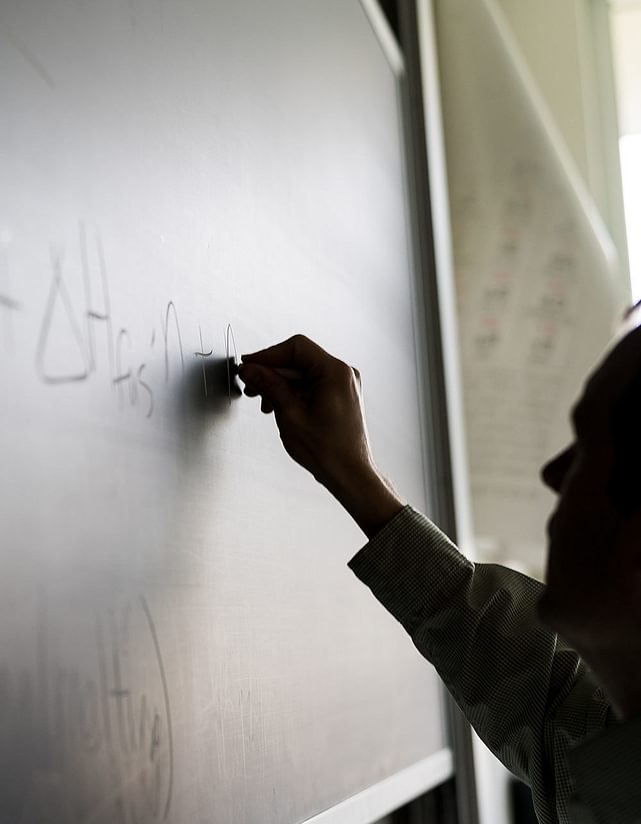
Student participating in class.

Majors:

Introduction to Philosophy
Philosophy of Film 

Minors:

Introduction to Ethics
Wilderness and the American Ethic 


Introduction to Philosophy

Grades 10-12
MAJOR
Introduction to Philosophy serves as a survey course into some of the major questions with which students, philosophers, and humans in general have wrestled throughout the course of western civilization: What exists and how do we know its nature? What can we know and how can we know it? Are there moral absolutes and how do we know them? Students engage each other and the authors in conversation, and are challenged to express their own ideas on subjects, in addition to articulating those of the authors. They will also develop their abilities to think, speak, write carefully and critically, and reflect on their beliefs.

All texts used in this class are primary sources, and include such authors as Thomas Aquinas, Aristotle, Augustine, Albert Camus, William Lane Craig, Descartes, W. E. B. Du Bois, Sigmund Freud, David Hume, Aldo Leopold, John Locke, Lucretius, Blaise Pascal, Plato, Ayn Rand, Bertrand Russell, Jean-Paul Sartre, Peter Singer, Henry David Thoreau, and Mary Wollstonecraft. Students may occasionally take a break from discussing a text to watch a film, such as I Heart Huckabees or The Matrix, always seeking to identify the philosophical themes discussed in class.

Students will also take advantage of the close proximity to Walden Pond, where H. D. Thoreau wrote his masterpiece, Walden. The class will make a field trip to the pond in conjunction with one of the readings. 
 
to the top

Philosophy of Film

Grades 10-12
MAJOR
Filmmakers in recent decades have found creative ways to raise and address questions about God, the human condition, the nature of reality, and other topics of philosophical interest. In this course, students watch and critically examine a variety of different films as a way of exploring topics in philosophy and appreciating the ways they bear on human life. Examples of films include those by Woody Allen(e.g., Crimes and Misdemeanors), Peter Weir (e.g., The Truman Show), and Ingmar Bergman (e.g., The Seventh Seal), as well as science fiction films like The Matrix. Texts to be read include the writings of Plato, Descartes, Nietzsche, and others. 

to the top

Introduction to Ethics

Grades 11-12
MINOR
Why should I be moral? Are there any universal ethical principles? What does it mean to live the good life? What obligations do I have toward others? These questions lie at the heart of what it means to be human. This course takes up these questions as it introduces students to texts and concepts in moral philosophy. Students read and engage the writings of Plato, Aristotle, Kant, J.S. Mill, and the Bible in order to clarify, challenge, and deepen their own understanding of reason, human nature, duty, and happiness. Class time features reading, discussion, and the use of film to examine these topics and others.

to the top

Wilderness and the American Ethic (Interdisciplinary) 

All Grades
MINOR

Does morality play a role in how we protect or exploit our natural resources?  Explore the historical, cultural and psychological underpinnings of the current environmental debate in the United States.  In this course you will learn how colonialism, capitalism, democracy, religion and several other factors influenced the way Americans interact with and relate to the natural world today.  We will look specifically at the Wilderness Act of 1964 and current climate change legislation being debated in Congress.  If you are struggling to understand why environmental protection is such a volatile topic in the U.S. -this course is designed to provide some insight.

to the top