
Lower School Institutes

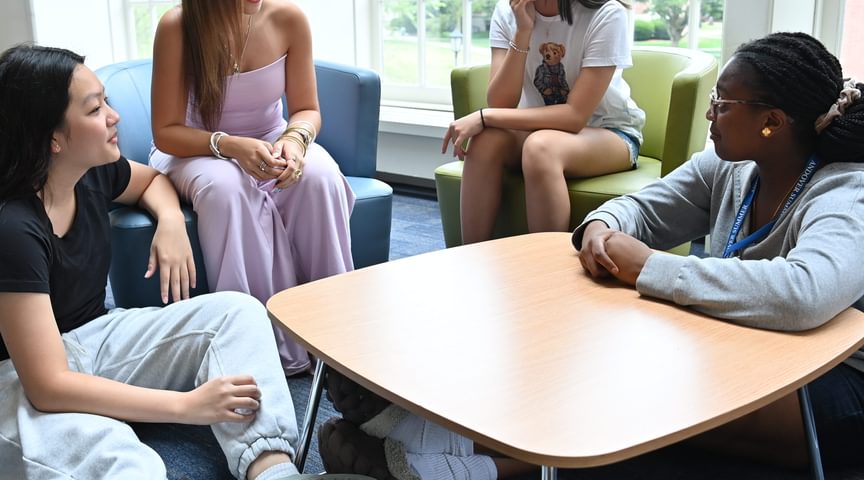
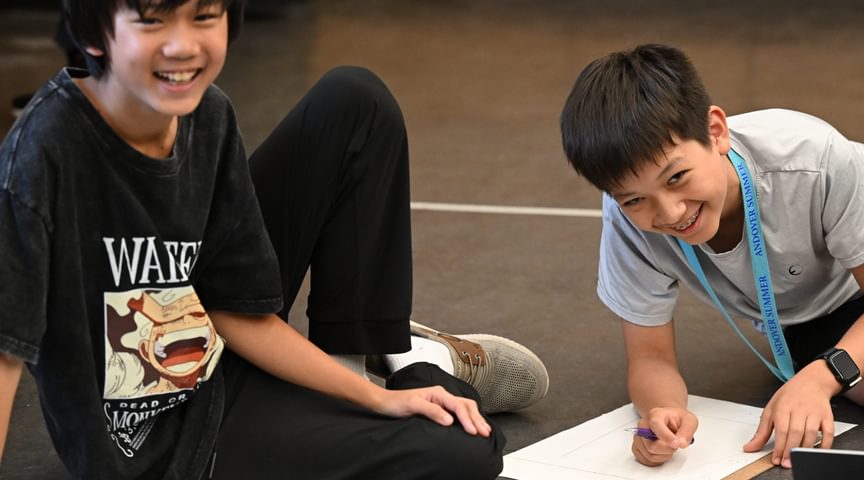
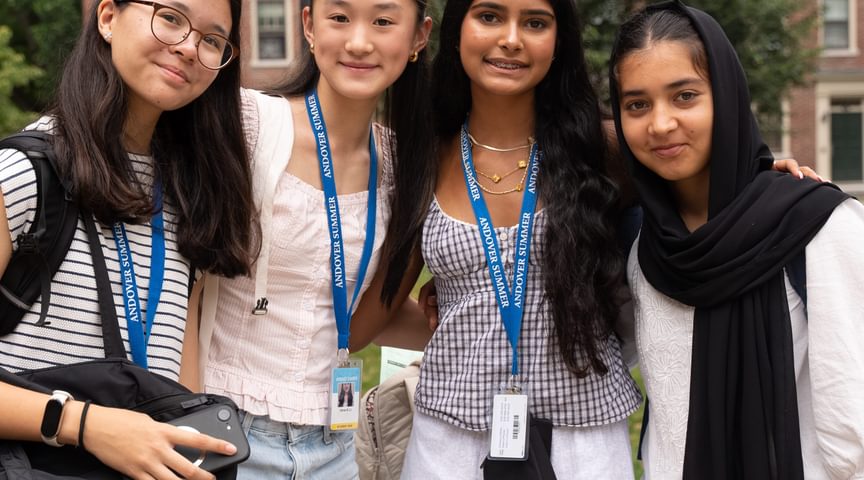
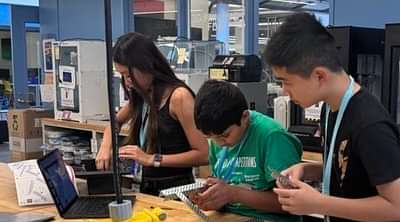
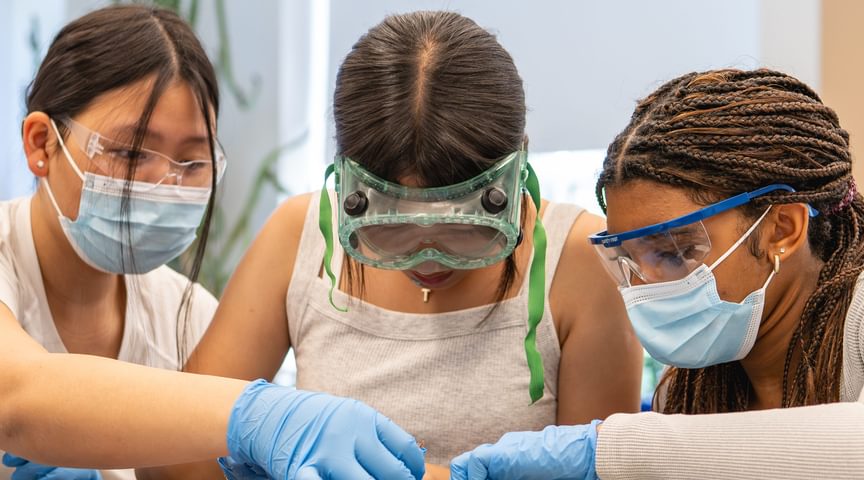
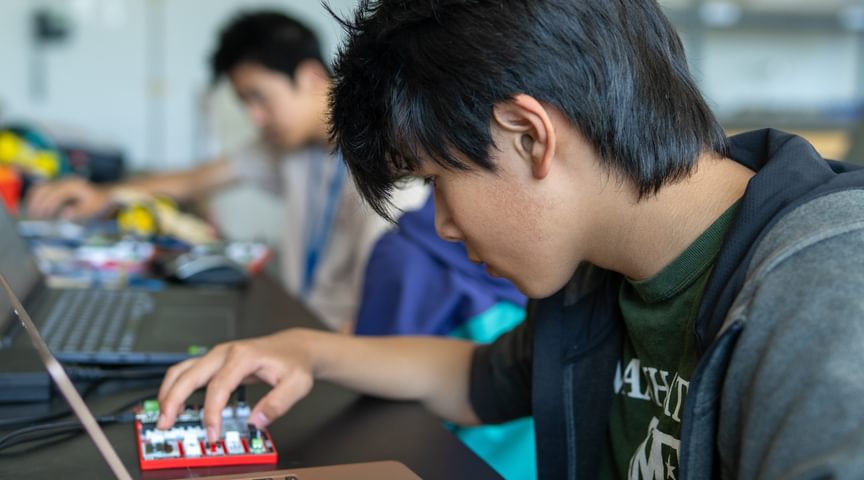
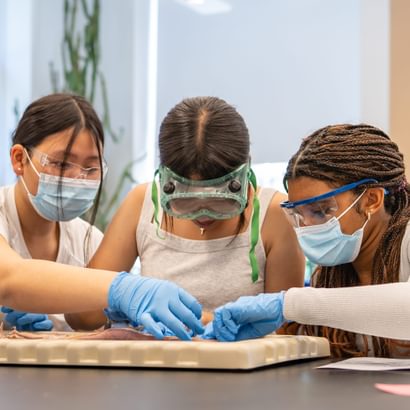
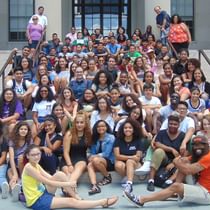
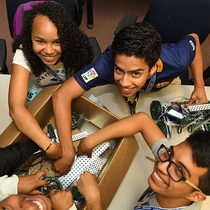
Students working in the lab.The Lower School Intitutes (LSI) offers pre-eighth-grade students the opportunity to work with a team of teachers in an integrated curriculum. 

The program includes curricula trips off campus, an activity rotation program that includes squash, rock climbing, soccer, and team games, and, if boarding, a residential experience tailored to younger students. 


An optional course in effective learning skills (Readak) is also offered. 


INSTITUTE DESCRIPTIONS


Charting the Natural World: Marine Biology Meets Math

Picture yourself standing in a shallow tide pool of cool ocean water on a warm, sunny day. Hear the soft, constant crashing of the surf in the distance. Feel the sand drift through your toes, the soft pinch of a crab at your heel. Now, reach into your pocket and pull out your beaker – it's time to collect your water sample!

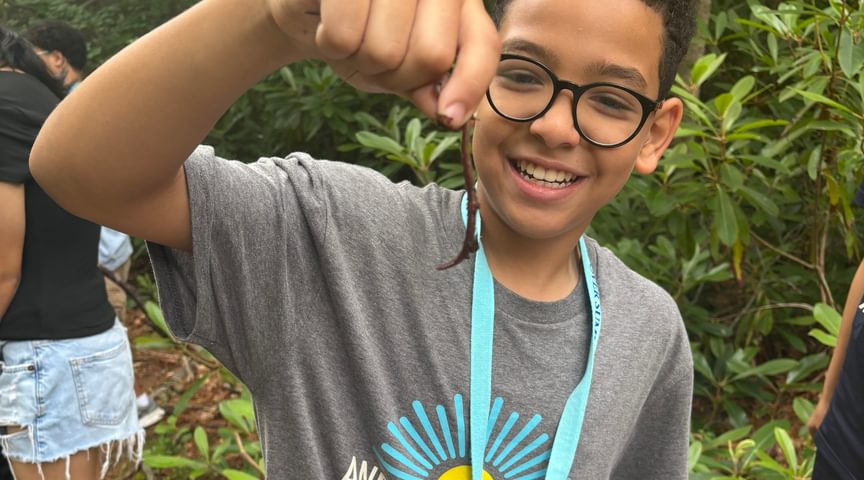
Explore and explain the aquatic environment through this integrated math and biology institute. Apply your math skills in the way that you've always wanted to – to practically solve real life problems. In the science classroom, marine biology will be used as a model for investigating some of the key concepts of biology, including ecosystems, energy and nutrient cycles, evolution, anatomy, and physiology.In the math classroom, you will learn the fundamentals of algebra and statistics to give you the tools to analyze and describe the natural world. You will learn methods of gathering and analyzing data, drawing conclusions and communicating your results. Armed with this knowledge and these skills, you will set out to investigate the problems that confront scientists when trying to describe nature. You will travel on several excursions to give you hands-on experiences to connect you to the aquatic environment of New England.

Trips include a whale watching adventure off the coast of Gloucester to increase your understanding and awareness of these magnificent creatures in their natural habitat. You will also visit Boston’s New England Aquarium to study species, habitats, and issues critical to New England. A trip to local tide pools provide a unique opportunity to apply your knowledge of marine organisms and sampling techniques first hand.  Feel like a real scientist.  Realize the power of math.

Students taking this course should not have taken a full year of Algebra.

to the top

Express Yourself: A Study of Literature, Performance and Film

Do you ever wonder how you can truly express yourself? We believe that there are filmmakers, performance artists, and writers lurking within us all. In this institute, the student will become aware of the various ways that we as human beings and artists can express ourselves.

You will begin to locate your creative voice with an intensive study of dramatic and narrative texts. We will look at how human beings tell their stories, thereby beginning to tell our own. While exploring a variety of themes in literature such as racial tensions in society, universality in human nature, coming of age, and definitions of friendship, students will work toward interpreting these themes through the mediums of theater and film.

As part of the performance component, you will embody the role of not only performer, but of director, designer, choreographer, and critic. You will stage scripted scenes as well as your own compositions. In the film portion of the course, you will develop the basic technical skills required to produce a short video from inception to completion. In so doing, you will understand the basics of character development, cinematography, story structure and creative editing. We will take advantage of our close proximity to Boston and take field trips to theaters, production studios, and museums.

Finding yourself in the editing room or onstage, the themes you have studied in the classroom begin to come alive. Suddenly, you are the next Lorraine Hansberry or Thornton Wilder. You will be able to take what you have learned and create  final pieces of art that are your very own, such as a movie, a poem and a staged performance.

In this course, students will develop skills in close reading, observation, reflection, and communication in order to interpret their lives in artistic ways. Here, no one will tell you that young people are to be seen and not heard; we want you to be seen and heard!

to the top